How Does Untreated Hearing Loss Affect Mental Health?
Most people think of hearing loss as purely physical. Your ears
We have moved. Our office is now located at 2300 NW Stewart Parkway in Roseburg. Click here for directions

By: admin | December 21, 2025
Hearing aids used to follow a fairly standard approach: you’d get fitted for a device, receive some basic adjustments and hope it worked well enough in most situations. But hearing is deeply personal.
The way you hear in a quiet living room is different from how you hear in a busy coffee shop, and your needs during a phone call aren’t the same as your needs while watching television.
What’s becoming clear is that hearing aids work best when they’re tailored not just to your hearing test results, but to how you actually live your life.
The future of hearing aid technology is moving toward this kind of detailed customization, where devices adapt to your unique hearing patterns, preferences and daily routines.
As personalization improves, hearing aids can do a better job with the sounds you struggle with most, whether that’s following conversations in crowded rooms or catching dialogue on TV, and they can adjust to different parts of your day as your needs shift.
Hearing technology has been evolving for centuries, shaped by the desire to help people hear more clearly and participate fully in daily life.
The earliest solutions were simple and often cumbersome, like ear trumpets and horns made from metal or wood. These devices relied purely on directing sound into the ear, providing limited amplification and little in the way of clarity.
While they were far from perfect, they represented an important first step in understanding how to support hearing.
In the 20th century, mechanical and electrical advancements began to change what was possible. Early electric hearing aids, though still relatively large and noticeable, allowed for more consistent amplification and a wider range of sounds.
Analog devices that followed gave users better control over volume and tone, making everyday listening more manageable.
As electronics continued to miniaturize, hearing technology became smaller, more wearable and increasingly discreet, reflecting a growing focus on user comfort and lifestyle needs.
The transition to digital technology marked another turning point. Digital devices allowed sound to be processed in more sophisticated ways, improving clarity in noisy environments and making it easier to distinguish speech from background noise.
Today, hearing technology continues to advance at a rapid pace, with innovations focused on comfort, usability and adaptability, all building on a long history of progress.
Hearing loss doesn’t look the same for everyone. One person might struggle with high-pitched sounds, while another has trouble following conversations in noisy spaces. Even within a single pair of ears, the level of hearing can differ.
Personalizing your hearing aids ensures they match exactly how you hear, instead of forcing you into a generic setting.
Life doesn’t come in one pattern either. Some days you might be at home reading or watching TV, while other days you’re at a busy restaurant or on a crowded street. Your hearing aids need to support those moments in ways that fit your lifestyle.
Personal preferences also make a difference. You might like a device that sits behind the ear or something smaller that fits discreetly. Choosing a style that works for you makes it easier to use your hearing aids consistently and enjoyably.
Personalization is necessary because your hearing, your days and your preferences are unique. When your hearing aids are designed to match your needs, you can focus on conversations, sounds and experiences without added strain or frustration.
Everyone experiences sound differently, so hearing aids adjusted to your specific needs can make a real difference in daily life. Personalized hearing aids do more than just amplify sounds. They help you hear in ways that feel natural and meaningful.
Personalization can help you:
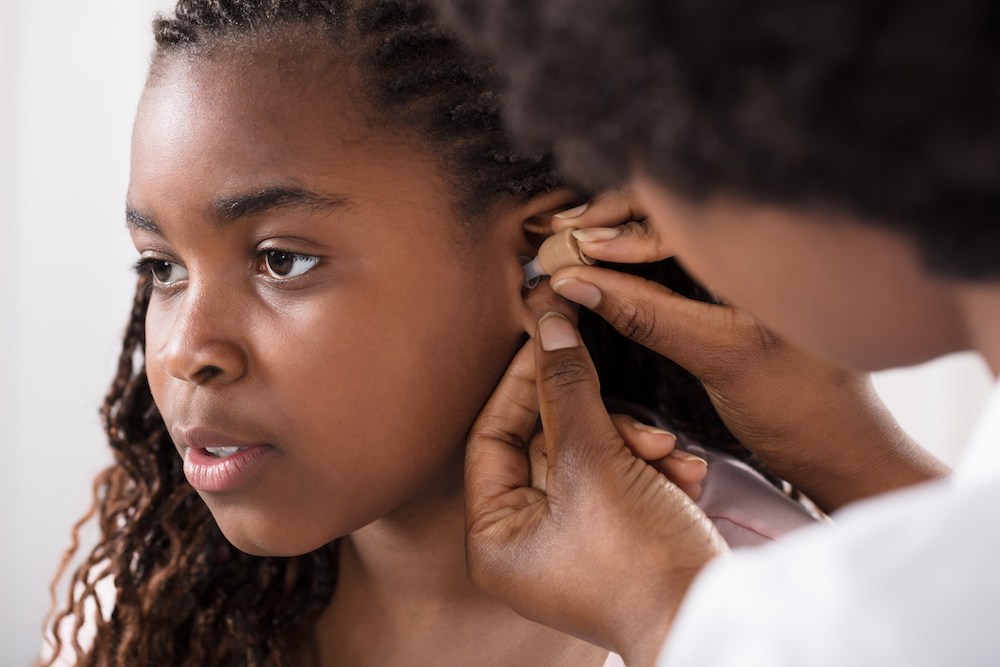
Personalizing your hearing aids goes far beyond turning up the volume. Each device can be adjusted to match your unique hearing pattern, your daily activities and the environments you spend time in. This ensures that the sounds you want to hear come through clearly while unwanted background noise is minimized.
Fit and comfort are also part of the customization. The shape and size of your device or earmold can be tailored to your ear, making it easier to wear all day.
Other adjustments, like listening preferences and features, allow your hearing aids to feel natural and suit the way you live.
Many modern hearing aids use artificial intelligence to make sound settings more accurate. These smart systems quickly identify speech and background noise, adjusting your device automatically as you move from one environment to another.
To get the most benefit from AI-powered hearing aids, use any app that comes with your device to fine-tune settings for different places.
Make sure your device’s software is updated as recommended by your audiologist, so you always have access to the latest improvements in sound processing. This helps keep your hearing experience clear and comfortable throughout the day.
Automatic adjustments mean your hearing aids can sense changes in your environment and respond right away. When you move from a quiet room to a noisy street, the device changes its settings to match the new sound level.
This feature helps you hear speech more clearly and reduces background noise without needing to press any buttons. You can feel at ease knowing your hearing aids are working in real time to support you wherever you go.
Smartphone apps now allow you to control your hearing aids with just a few taps. You can adjust volume, switch between settings, check battery life and choose programs for different environments.
Some people may need time to learn how to use all the features in the app, especially if they are not familiar with smartphones. Starting with basic controls and using step-by-step guides or tutorials provided by the hearing aid company can make the process much easier over time.
Many new hearing aids include environmental sound recognition features that help identify sounds like doorbells, alarms or approaching vehicles. When these sounds are detected, the device can alert you or adjust its settings so you do not miss important cues in your environment.
This technology helps keep you aware of what is happening around you and adds an extra layer of safety in daily life. Environmental sound recognition is especially helpful in busy or unfamiliar places where certain sounds might be harder to notice.
Bluetooth features in hearing aids let you stream audio directly from your phone, TV or computer straight to your ears. This makes phone calls, music, podcasts and videos sound clearer and more natural without having to raise the volume for everyone else.
You can also adjust the volume and settings for each device you connect, giving you control over what you hear in different situations. For example, you can make a call louder without affecting your TV audio, or fine-tune music playback so it’s crisp and balanced.
This flexibility makes daily listening easier, reduces strain on your ears and helps you stay engaged in conversations or enjoy entertainment without missing details.
Rechargeable batteries have made using hearing aids more convenient. You no longer need to carry spare batteries or worry about running out of power at an inconvenient time. Charging your hearing aids overnight gives you a full day of reliable use.
Some key benefits include:
Many modern hearing aids now include health tracking features like step counters and activity monitors. These tools help you keep track of your daily movement and encourage a more active lifestyle.
Some devices also track things like heart rate or can alert someone if you have a fall. This added support provides peace of mind for those who want extra safety in their daily life.
To get the most out of these features, check your device’s app regularly to see your activity stats and set simple goals that fit your routine. Make sure your hearing aids are charged each night so health tracking works all day.
Hearing aids may not work as well if settings are outdated or if small problems go unnoticed. Devices that collect real time data help keep your hearing aids running smoothly.
Real time data allows your hearing aids to track how you use them and how they perform in different situations.
This information can be used for quick adjustments, early issue detection and fine-tuning by your audiologist for better results. Keeping up with these updates means your hearing aids stay reliable and match your needs as they change.
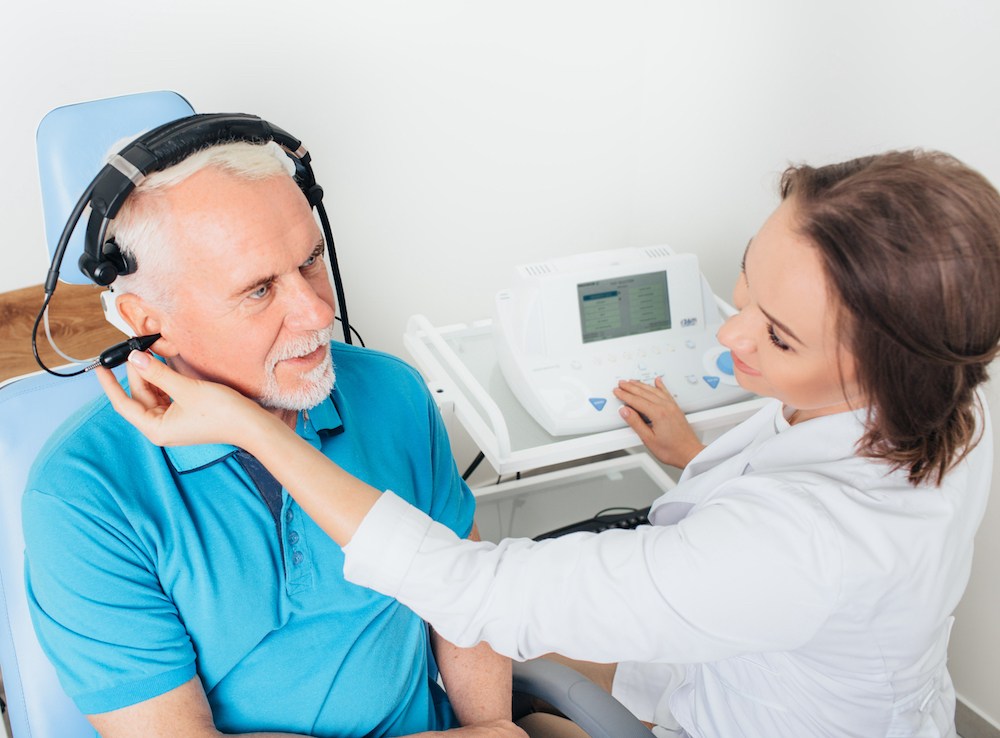
Remote support allows the audiologist to check your hearing aids and make adjustments without an in-person visit. With wireless updates, your devices can receive the latest software improvements and settings directly through a secure connection.
This is helpful if traveling to appointments is difficult or if you need quick changes to your device. Many people appreciate knowing that help is available from home, making ongoing care more convenient and less stressful.
Remote support also helps keep your hearing aids working their best so you can rely on them every day.
Choosing hearing aid features that match your lifestyle can make a big difference in how clearly you hear and how comfortable your devices feel.
Consider these factors when deciding which features to prioritize:
With personalized hearing aids, you hear the world the way you actually live in it. You can catch the punchline at dinner, follow a friend across a crowded room or enjoy a show without constantly asking people to repeat themselves. The settings are designed for your everyday sounds, not some generic standard.
Roseburg Audiology Center in Florence, OR at (541) 991-4424 or in Roseburg, OR at (541) 378-4326 can help you find hearing aids that match your routine. We work with you to make sure your devices fit your life, whether you are at home, at work or out with friends.
Tags: benefits of hearing aids, hearing aid repair, hearing aid styles

Most people think of hearing loss as purely physical. Your ears
By: admin | February 20, 2026
Hearing aids used to follow a fairly standard approach: you’d get
By: admin | December 21, 2025
When someone you care about has hearing loss, it affects the whole family
By: admin | August 21, 2025