What Should You Do if Your Hearing Aid Gets Wet
Floating the Rogue River on a hot July day usually means getting splashed
We have moved. Our office is now located at 2300 NW Stewart Parkway in Roseburg. Click here for directions


By: admin | April 22, 2026
Most people do not give much thought to the weather on the day of a hearing test. You schedule the appointment, you show up and you expect the results to reflect how you actually hear day to day.
The thing is that weather can do more than just affect how you feel on the way there.
Changes in temperature, humidity and barometric pressure can have a direct effect on how sound travels and how your ears respond to it, sometimes in ways that are subtle enough to miss until you are sitting in a booth second-guessing whether you are catching everything you normally would.
If the conditions outside are doing something to the way you hear, does that show up in your results? Knowing how weather and the physical changes it brings along can play into a hearing test helps you go in better prepared, have a more useful conversation with your audiologist and trust what the results are telling you.
A hearing test is a simple, non-invasive process. Your audiologist walks you through a series of sounds and tones, and the results give a detailed look at how you are hearing across different frequencies.
The results look different for everyone. Some people walk away knowing their hearing is exactly where it should be.
Others find out something has changed that they had not picked up on yet. Either way, a hearing test gives you something concrete to work with instead of wondering.
Hearing test results can vary more than people expect, and it’s not always because of a true change in your hearing. Small factors around the time of your appointment can influence how clearly you’re able to respond during the test.
Some common things that affect your hearing test include:
Your ears do not work the same way in every setting, and most people notice this without necessarily thinking about it in those terms.
A loud restaurant feels tiring in a way that a quiet conversation does not. A wide-open outdoor space sounds different from a small-tiled room.
That is because your ears are constantly adjusting to what is around them, picking up on background noise, echoes, distance and the way sound bounces off different surfaces. The environment you are in shapes what you hear and how much effort it takes to hear it, sometimes significantly.
Temperature changes can influence your ear health and your hearing test results. Cold weather may cause the ear canal to tighten, while hot weather can lead to extra moisture in the ears.
Exposure to very cold air can make your ears feel blocked or uncomfortable, which might make it harder to hear clearly during a test. Warm temperatures and humidity can increase the risk of ear infections or trapped moisture, especially if you sweat more.
Humidity affects more than just how the air feels outside. Inside the ear canal, damp air can create a warmth or stickiness that is subtle but noticeable, particularly if you have been outside for a while before coming in for a test.
The ear canal is a narrow, enclosed space and moisture in the air can disrupt the natural environment in there in small ways. One of the more common effects is on earwax.
In humid conditions, earwax can become softer and less likely to migrate out of the ear the way it normally does, which means it can accumulate more than usual. For some people that translates to a feeling of fullness or mild blockage, the kind that makes you want to pop your ears even though nothing quite works.
Seasonal allergies can affect more than your sinuses. When congestion and pressure build up, they can temporarily change how sound moves through your ears, which may make your hearing seem different than usual.
Some of the ways this can show up include:
Hearing tests are designed around sounds that are quiet, and the testing environment plays a role in how accurately those sounds come through. The tones used during a test can be very faint, so testing booths are built with soundproofing and are insulated to create the right conditions for an accurate result.
That said, outside sound is part of the reality of any building. Wind, traffic, birds and other ambient noise exist at different levels depending on the location, the time of day and what is happening outside.
A breezy spring afternoon sounds different from a calm morning, and clinics in busier areas manage a different acoustic environment than those in quieter ones.
None of this means a test cannot be done accurately, it just means that the environment around the clinic is one of several factors that can affect your hearing on the day of your appointment.
Rain or storms can sometimes affect how comfortable you feel during a hearing test. The sound of heavy rain, thunder or wind hitting the building may distract you when trying to focus on quiet test tones. Scheduling your appointment when storms are not expected can help.
Damp weather can also make the air inside feel cooler or more humid, which might cause your ears to feel different than usual. Wearing comfortable clothing and making sure your ears are dry before the test can help you stay comfortable during your visit.
If outside weather is making it hard to relax, let your audiologist know before the test begins. They may be able to wait until loud noises pass or check that the testing room is as quiet and comfortable as possible.
Going into a hearing test without thinking about how you are feeling that day is common. Most people focus on showing up on time and not much else.
But since weather and the physical changes it can bring have some bearing on how your ears are functioning at any given moment. How you slept, whether your ears feel clear, whether you have been outside in warm or windy conditions right before your appointment, these are all things that can factor into how the test goes and what the results reflect.
It also helps to be upfront with your audiologist before the test starts. If the weather has been doing something noticeable, if you have been dealing with any ear fullness, pressure or congestion related to the season, mentioning it gives your audiologist useful context.
They can factor that into how they read your results and decide whether anything warrants a follow-up.
If something felt a little off during your hearing test and the weather had recently changed, it can be helpful to look at how that may have affected what you were hearing in that moment. Pressure changes, congestion or sinus issues can sometimes influence how clearly sound comes through.
You might bring up a few simple questions, like:
Talking through these points can help you better understand whether the results reflect a temporary change.
A few small things done ahead of your appointment can go a long way toward getting results that reflect how you hear. Avoid loud environments, like concerts, power tools or heavy traffic, for at least a few hours before your test.
Your ears need time to settle after prolonged noise exposure, and going straight from a noisy situation into a testing booth can skew what the results show.
If you have been outside in windy conditions right before your appointment, give yourself a few minutes inside before the test starts. Temperature changes can affect how your ears feel in the short term and a little time to adjust helps.
Being upfront with your audiologist before the test begins matters just as much as anything you do beforehand. Your audiologist can take that into account when reviewing your results and determine whether you may need a follow up.
Weather is one of those things that affects more than we tend to give it credit for, and hearing is no exception. The conditions on any given day, whether it is humidity, a pressure change or temperature swings, can influence what your ears are doing in ways that are easy to overlook.
Going into a hearing test with that awareness does not mean second-guessing your results. It means you are better equipped to have an honest conversation with your audiologist about what you were experiencing that day and what the results actually mean for you.
If you have questions about how to prepare for a hearing test or want to talk through anything that might be affecting your hearing, Roseburg Audiology Center is here to help.
You can reach us in Florence, OR at 541-991-4424 or at our Roseburg, OR location at 541-378-4326. We are happy to walk you through what to expect and make sure you get the most out of your appointment.
Tags: faqs, hearing test results
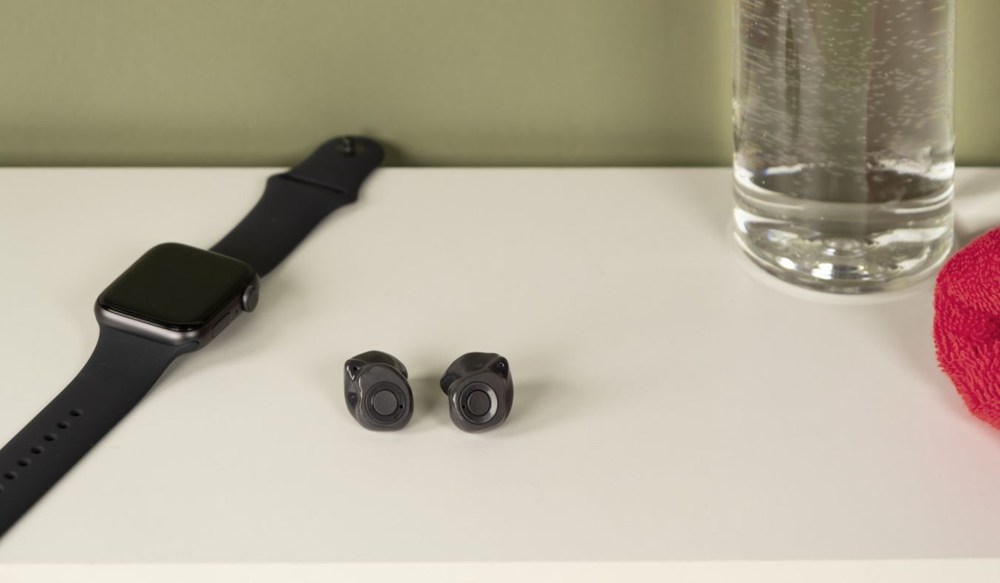
Floating the Rogue River on a hot July day usually means getting splashed
By: admin | September 21, 2026
Most people do not give much thought to the weather on the day of a
By: admin | April 22, 2026

Most people think of hearing loss as purely physical. Your ears
By: admin | February 20, 2026